
The Algerian construction market maintained its upward trajectory in 2025, with the industry’s real value estimated to have grown by 4.1% year-on-year. Forecasts show a steady moderate growth through 2029 (+4.2%)
Data from the Office National des Statistiques (ONS) indicate that the sector remains a cornerstone of the national economy and a significant contributor to GDP. The residential sector continues to drive construction activity thanks to national housing programmes. In the first half of 2025, construction began on approximately 250,000 housing units as part of a broader plan to deliver 2 million homes by 2029. The initiative is one of the central elements of President Tebboune’s agenda and a strategic accelerator for the country’s socio-economic modernisation. The 2025 Finance Bill also confirms the completion of 235,000 new homes under various state projects, from AADL (National Agency for Housing Improvement and Development) programmes to rural and social housing. Between 2020 and 2024, the government delivered around 1.7 million homes, reflecting a sustained long-term commitment to the housing sector.
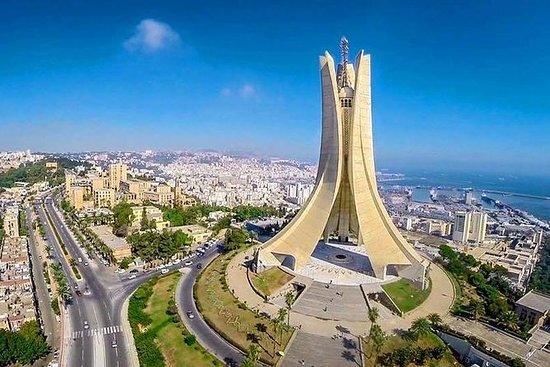
Steady growth forecast for 2026-2029
The outlook for 2026 points to moderate but steady growth, with the construction sector projected to expand by an average of 4.2% per year through to 2029.
Residential demand will be met by the continuation of large-scale housing and urban infrastructure projects, creating a multiplier effect on employment and the building materials supply chain. Despite a slight decline in the birth rate, the urban population continues to grow, sustaining demand for new housing, especially in key cities such as Algiers, Oran and Constantine.
47 new smart cities set for launch
A central plank of Algeria’s strategy is the creation of 47 new urban hubs across 38 provinces, covering a total area of approximately 34,000 hectares. This initiative aims not only to address urban land shortages but to reshape Algeria’s urban geography through innovative and sustainable planning. Sixteen of these new cities are already under construction in key locations such as Djelfa, Blida, Oran, Mascara, Relizane, Chlef, Tipasa, Jijel, Tlemcen, Constantine, Skikda, Souk Ahras, Bordj Bou Arreridj, Sétif, Boumerdès and Tissemsilt. The future cities are envisioned as integrated urban ecosystems equipped with the necessary public infrastructure, transportation networks, schools and recreational facilities to ensure both social inclusion and long-term viability.
The Smart Cities plan will have a significant impact on the national economy, stimulating growth in the construction sector, creating jobs and strengthening the entire supply chain.
Stay updated on the industry with curated data and insights each month: subscribe to the TECNA Magazine
POWERED BY CWR
PUBLICATION
22/04/2026
Other related news

20/08/2025
Industry and the challenge of artificial intelligence

04/02/2026
Advanced mineral solutions for large slab production

16/02/2026
The sustainable transition in the field of ceramic body preparation

24/03/2026
European construction set for recovery

12/05/2026
The Smart Factory: how to simplify complexity in ceramic production

24/06/2026
The Italian ceramic industry is worth €7.5 billion

17/09/2025
The future of construction in Europe between recovery and uncertainty

15/10/2025
Heavy clay machinery: the Italian industry holds its ground in international markets

14/11/2025
Clay building products: trends and figures of the Italian industry

04/12/2025
Not just large formats: the digital revolution also embraces special pieces

10/12/2025
World production of ceramic tiles

12/12/2025
The global exports of ceramic tiles decreased to 2.67 billion sqm in 2024

15/01/2026
The Italian tile industry ends 2025 on a positive note

26/01/2026
Ceramics take center stage in the “total look” of living spaces

19/03/2026
TECNA at Expo Revestir: securing a presence in key markets